The Evolution of Powerline Inspection Techniques
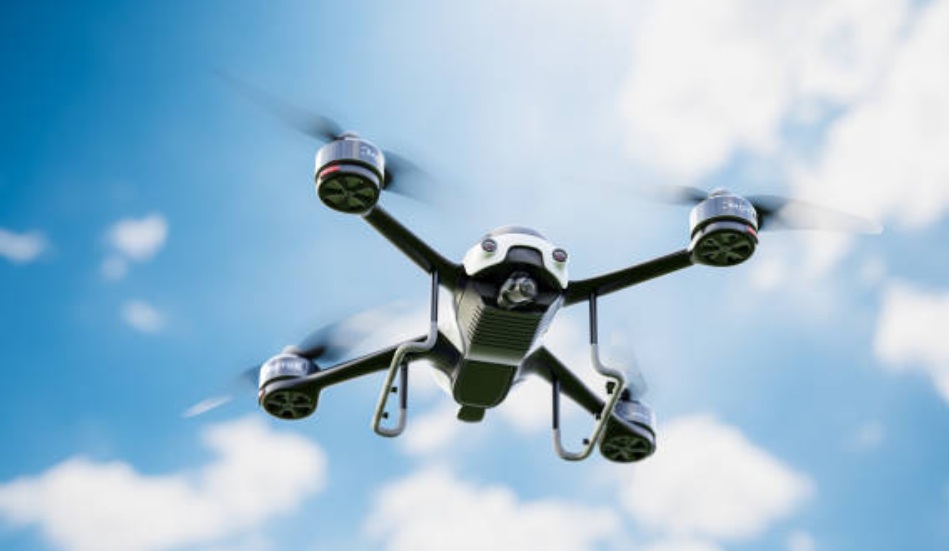
Maintaining powerlines has always been a critical yet hazardous task for utility companies and maintenance crews. Traditional methods often require technicians to climb towers or use helicopters, both of which pose significant safety risks and logistical challenges. However, the advent of advanced technologies has revolutionized this field, particularly through the implementation of drone-based powerline inspection. These unmanned aerial vehicles (UAVs) offer a safer, more efficient way to monitor and maintain powerline infrastructure while minimizing human exposure to dangerous environments.
Advantages of Drone-Based Powerline Inspection
Drone inspections bring numerous benefits to powerline maintenance operations:
- Enhanced Safety: By deploying drones to survey powerlines, workers avoid climbing poles or flying in helicopters, drastically reducing the risk of falls, electrical shocks, or accidents.
- Improved Efficiency: Drones can quickly cover extensive stretches of powerlines, capturing high-resolution images and thermal data in a fraction of the time required by ground crews.
- Cost Reduction: Reducing the need for helicopters and manual inspections translates into significant savings in operational costs and resource allocation.
- Comprehensive Data Collection: Equipped with advanced sensors, drones collect detailed visual and thermal imagery, enabling early detection of faults such as corrosion, overheating, or vegetation encroachment.
- Minimal Disruption: Drone flights are less intrusive and can be scheduled flexibly to avoid interference with power supply or public activities.
Understanding UAV vs Drone in Utility Inspections
The terms UAV and drone are often used interchangeably, but subtle distinctions exist. UAV (Unmanned Aerial Vehicle) is a formal term referring to any aircraft operated without a human pilot onboard. Drone is a more colloquial term used broadly to describe these devices. In the context of commercial drones used for powerline inspection, both terms apply, but “drone” is generally preferred in operational discussions.
Modern commercial drones designed for utility inspections come equipped with GPS navigation, obstacle avoidance systems, and various sensors that enhance their ability to inspect infrastructure safely and precisely. This technology outperforms many traditional methods by providing detailed insights without exposing personnel to hazardous conditions.
Applications of Surveillance Drone Technology in Powerline Maintenance
Surveillance drone technology plays a pivotal role in continuous monitoring of powerline assets. The integration of high-definition cameras, LiDAR, and thermal sensors enables comprehensive surveillance that supports multiple facets of powerline maintenance:
- Detecting structural damage or wear on towers and conductors.
- Identifying hot spots or electrical faults through thermal imaging.
- Monitoring vegetation growth that could interfere with powerlines.
- Surveying post-storm damage quickly to prioritize repairs.
- Ensuring security by detecting unauthorized personnel or potential threats near critical infrastructure.
Future Trends in Drone Utility Inspection
As drone technology continues to advance, the capabilities of drone utility inspection are expected to expand significantly. Artificial intelligence and machine learning algorithms are being integrated to automate defect detection and predictive maintenance, enabling proactive management of powerline infrastructure. Additionally, improvements in drone battery life and flight range will allow for longer missions over more remote areas.
Regulatory frameworks are also evolving to accommodate widespread commercial drone use, ensuring safe integration into national airspace. This will further encourage utility companies to adopt drone inspection systems as a standard practice in maintenance programs.
Innovating Powerline Maintenance for a Safer Tomorrow
Drone-based powerline inspection represents a transformative shift in how utilities maintain critical electrical infrastructure. By enhancing safety, efficiency, and data accuracy, drones allow for proactive management of powerlines while protecting the workforce from hazardous conditions. As technology and regulations mature, the integration of drones in powerline maintenance will continue to grow, setting new standards for operational excellence and public safety.